Vitamin D and Your Bone Health

1. Why Vitamin D Matters for Your Bones
Vitamin D acts like a hormone that helps your body absorb calcium—the mineral that keeps bones strong. Without enough vitamin D, calcium from your diet can’t be used properly. Getting vitamin D right lays the foundation for a strong recovery after surgery or fracture repair.
2. What Counts as Low Vitamin D?
A blood test called 25-hydroxy-vitamin D shows your level. Labs often mark deficiency as less than 20 ng/mL or insufficiency as less than 30 ng/mL.
However, the 2024 Endocrine Society guideline no longer recommends one “perfect” number for everyone. Instead, it focuses on identifying people who benefit most from supplements.
3. Who Is at Risk?
Limited sun exposure (especially Illinois winters)
Darker skin tones
Higher body fat levels
Age 75 years or older
Digestive or kidney conditions that affect absorption
4. What the Latest Guidelines Say (2024)

The Endocrine Society found clear benefits of daily vitamin D for:
Children and teens: Supports bone growth and prevents rickets.
Adults age 75 and older: May improve longevity.
Pregnant individuals: May lower pregnancy-related complications.
Adults with prediabetes: May slightly reduce the risk of developing diabetes.
For healthy adults under 75, extra supplements beyond the usual daily amount have not shown clear benefits—and very high doses may increase the risk of kidney stones.
5. The Orthopedic Connection
For patients undergoing joint replacement surgery with Dr. Wilson, vitamin D is not optional—it’s essential.
Research shows that low vitamin D levels are common and directly linked to poorer surgical outcomes:
Over half of joint-replacement patients have low vitamin D.
Deficiency is associated with longer hospital stays and higher complication rates.
Supplementation before surgery improves recovery and healing.
Our Protocol:
In Dr. Wilson’s practice, we check vitamin D levels in every patient before scheduling total joint replacement.
If your vitamin D level is below 30 ng/mL, we delay surgery temporarily to allow time for safe and effective supplementation.
This ensures your body is in the best possible condition for healing and reduces your risk of infection and delayed recovery.
Our target goal is a vitamin D level above 30 ng/mL before surgery.
By optimizing your vitamin D before surgery, we build a stronger foundation for your recovery and long-term joint health.
6. Vitamin D Beyond the Bones
Low vitamin D has been linked to many health conditions in observational studies. However, large clinical trials have not proven that taking vitamin D supplements prevents cancer, heart disease, or depression.
Currently, the strongest evidence supports its role in bone and muscle health.

7. How to Maintain Healthy Levels
Sunlight
10–20 minutes of mid-day sun on your arms and legs a few times a week can help your body make vitamin D. This can be difficult during Illinois winters.
Food
Fortified milk, orange juice, breakfast cereals, and fatty fish (like salmon or tuna) are good sources.
Supplements
Vitamin D₃ (cholecalciferol) is preferred.
Most adults ≤70 years: 600 IU per day
Adults ≥71 years: 800 IU per day
If you’re deficient, your doctor may prescribe a temporary higher dose (e.g., 5,000 IU daily) until your levels are restored. Higher doses should be used only short-term and under medical supervision.
Daily low doses are safer and more effective than large monthly doses.
Most people do not need more than 1,000–2,000 IU/day to maintain a healthy level, once restored.
⚠️ Safety Note: Taking more than 4,000 IU/day for extended periods can cause high calcium and kidney problems. Always check with your doctor first.
8. Should You Be Tested?
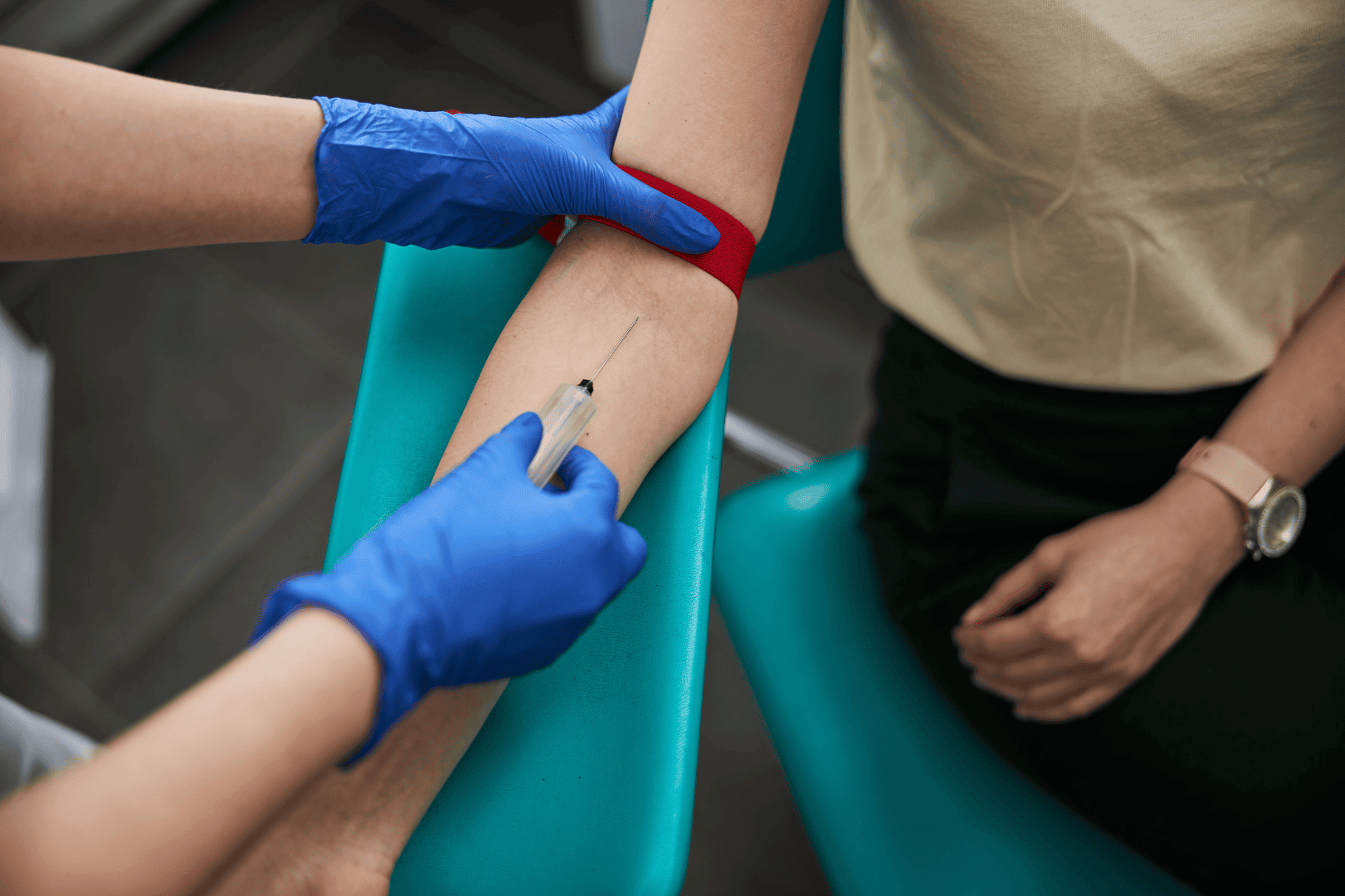
Testing is recommended if you:
Are preparing for orthopedic surgery (required for all Wilson Ortho Health total joint patients)
Have osteoporosis or a history of fractures
Have absorption or kidney problems
Are age 75 or older
If your level is below 30 ng/mL, supplementation will be started and surgery will be scheduled only after your levels are optimized. Our goal is to get you safely above 30 ng/mL—a level associated with strong bones, effective healing, and long-term vitality.
9. Myth vs. Fact
Fact
“Everyone should get a vitamin D test.”
“Testing is only needed if you’re at risk or planning surgery.”
“More vitamin D is always better.”
“Excess can raise fall or kidney-stone risk—follow your doctor’s plan.”
“Vitamin D prevents cancer or heart disease.”
“Large studies have not shown prevention benefits in the general population.”
10. Bottom Line

Vitamin D is vital for strong bones and successful recovery after orthopedic surgery.
In Dr. Wilson’s practice, we check every patient’s vitamin D level before joint replacement and postpone surgery if the level is below 30 ng/mL.
This proactive approach ensures your body is prepared to heal and lowers your risk of complications.
Our goal is to have your level above 30 ng/mL—a level associated with healthy bones, better healing, and lower surgical risks.
If you’re planning a hip or knee replacement—or have osteoporosis—ask Dr. Wilson about checking your vitamin D and starting a safe, personalized supplementation plan.
Sources & Works Cited
Demay MB, Pittas AG, Bikle DD, et al. Vitamin D for the Prevention of Disease: An Endocrine Society Clinical Practice Guideline. J Clin Endocrinol Metab. 2024;109(8):1907–1947.
Shah VP, Nayfeh T, Alsawaf Y, et al. A Systematic Review Supporting the Endocrine Society Clinical Practice Guidelines on Vitamin D. J Clin Endocrinol Metab. 2024;109(8):1961–1979.
Emara AK, Nageeb E, George J, et al. Hypovitaminosis D in Lower Extremity Joint Arthroplasty – A Systematic Review and Meta-analysis. J Orthop. 2020;21:109–116.
Vivek K, Kamal R, Perera E, Gupte CM. Vitamin D Deficiency Leads to Poorer Health Outcomes and Greater Length of Stay After Total Knee Arthroplasty, and Supplementation Improves Outcomes. JBJS Rev. 2024.
Bouillon R, Manousaki D, Rosen C, et al. The Health Effects of Vitamin D Supplementation: Evidence from Human Studies. Nat Rev Endocrinol. 2022;18(2):96–110.
NIH Office of Dietary Supplements. Vitamin D Fact Sheet for Health Professionals. Updated 2023.
Disclaimer
This information is for educational purposes only and is not medical advice. Always consult your orthopedic specialist for individualized recommendations.