A Patient’s Guide to Understanding and Managing Knee Osteoarthritis
Overview
This guide explains what causes knee osteoarthritis, what symptoms to look for, and the full range of proven treatments available to reduce pain, improve movement, and help you stay active.
1. Understanding Your Knee Pain
Living with knee pain can be frustrating and confusing. Understanding what osteoarthritis is—and what it isn’t—is the first step toward taking control of your condition.
My goal is to partner with you, providing clear information and a personalized plan so you can get back to the activities you love.
2. What’s Happening Inside Your Knee
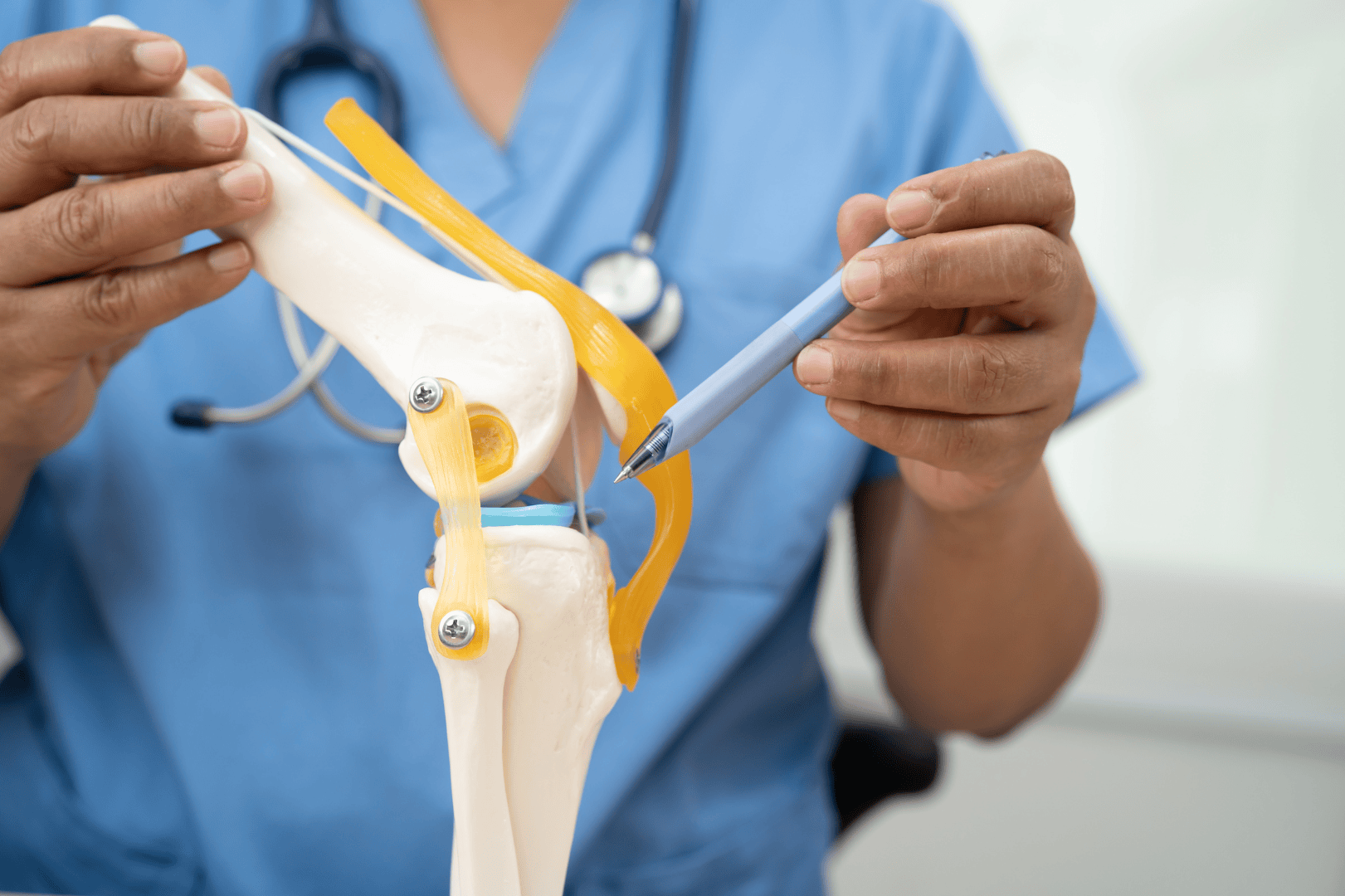
Knee osteoarthritis occurs when the smooth cartilage that cushions and protects your joint slowly wears away over time. Without that protective layer, the bones can rub together, leading to pain, stiffness, swelling, and reduced mobility.
While there’s no cure, this condition is highly manageable. There are many effective strategies to reduce pain, improve function, and enhance your quality of life.
3. Common Symptoms
If you have knee osteoarthritis, you may experience one or more of the following:
✅ Pain: A dull ache or sharp pain, often triggered by walking, climbing stairs, standing from a chair, or changes in weather.
✅ Stiffness: Especially noticeable in the morning or after sitting for long periods.
✅ Swelling: Puffiness or inflammation around the joint.
✅ Grinding or “Clinking”: Popping or cracking sounds (called crepitus) when moving the knee.
✅ Instability: A feeling that your knee might “give way.”
✅ Weakness: Muscles around the knee—especially the quadriceps—can weaken, making support more difficult.
These symptoms can affect daily activities, disrupt sleep, and limit the things you enjoy. Recognizing what you’re feeling is the first step toward managing it.
4. What Causes Knee Osteoarthritis?
Several factors increase your risk of developing knee osteoarthritis:
Body Weight: Extra body weight adds several pounds of pressure on your knees with each step, accelerating cartilage wear.
Age: Over time, cartilage becomes more brittle and less able to repair itself.
Occupation & Activity: Jobs or hobbies involving frequent kneeling, squatting, or heavy lifting can stress the knee joint over many years.
Understanding these risk factors helps us focus on what we can control—protecting your knees and slowing progression.
5. Taking Control: A Partnership in Your Care
Treating knee osteoarthritis isn’t one-size-fits-all. The best results come from a collaborative partnership between you and your orthopedic team, using a shared decision-making approach.
Together, we’ll choose treatments supported by evidence levels defined by the American Academy of Orthopaedic Surgeons (AAOS):
Strong: Backed by high-quality studies
Moderate: Benefits are clear but evidence is less robust
Limited: Early evidence or ongoing research
6. The Foundation of Your Care: Proven Lifestyle Strategies
Non-surgical strategies are the cornerstone of treatment. These methods are safe, effective, and directly target the root causes of pain.
🧠 Patient Education & Self-Management
Learning about your condition is the most important first step. International guidelines give this a Strong recommendation. Understanding your arthritis, learning how to move safely, and staying active empowers you to manage symptoms confidently.
Key takeaway: Knowledge is power—you play the lead role in your recovery.

🏃♂️ Exercise & Physical Activity
Movement is medicine. Regular, appropriate exercise is one of the most effective treatments for knee osteoarthritis (Strong AAOS recommendation).
A good program includes:
Strength training to build muscles that protect your knee (especially the quadriceps and hamstrings)
Aerobic activity such as walking, cycling, or water aerobics
Flexibility and stretching to maintain joint mobility
A 2024 BMJ analysis confirmed that aerobic exercise is the single most effective type of exercise for improving both pain and function.
Key takeaway: Move regularly. It’s one of the best “medicines” for knee arthritis.
⚖️ Weight Management
If you’re overweight, even modest weight loss can make a major difference. The AAOS gives this a Moderate recommendation. Losing as little as 5–10% of your body weight can significantly reduce pressure on the knees and ease pain.
Weight loss also improves inflammation and overall joint health. My team and I can connect you with tools and support to make this step achievable.
🦯 Supportive Aids (Braces, Canes & Footwear)
Canes and Braces: Using a cane (in the hand opposite your painful knee) or a supportive brace has a Moderate AAOS recommendation. These aids reduce joint load and improve stability.
Footwear: Choose stable, cushioned, supportive shoes. AAOS strongly recommends against wedge insoles, as they haven’t been shown to reduce arthritis pain.
Key takeaway: The right support can make every step more comfortable.
7. Tools for Managing Flare-Ups: Medications & Injections
Knee pain can result from both mechanical stress and inflammation. When symptoms flare, targeted treatments can provide relief while you continue your long-term lifestyle plan.
💊 Medications & Topical Treatments
Topical NSAIDs (Strong): Gels or creams applied directly to the knee provide effective pain relief with fewer stomach side effects.
Topical Capsaicin: A cream made from chili peppers that can help reduce pain (though it may cause mild burning at first).
Oral Medications (Strong): Nonsteroidal anti-inflammatory drugs like ibuprofen or naproxen are effective when used appropriately.
Acetaminophen may help with mild pain but is less effective than NSAIDs.
Avoid Opioids: The AAOS strongly recommends against opioids, including tramadol. They offer no better pain relief than safer options and carry serious risks.
🌿 Supplements
Many patients ask about glucosamine and chondroitin.
While some people feel modest relief, studies show no proven ability to rebuild cartilage or slow disease progression (AAOS position).
Key takeaway: Supplements are optional but not curative—ask your provider before starting any.
💉 Joint Injections
For stronger or localized pain, targeted injections may help.
Corticosteroids (Moderate): Short-term pain relief lasting a few weeks to months.
Hyaluronic Acid (“Gel Shots”) (Moderate against): Research shows inconsistent results, so these aren’t routinely recommended.
Platelet-Rich Plasma (PRP) (Limited): Early evidence suggests possible benefit for some patients, but more studies are needed.
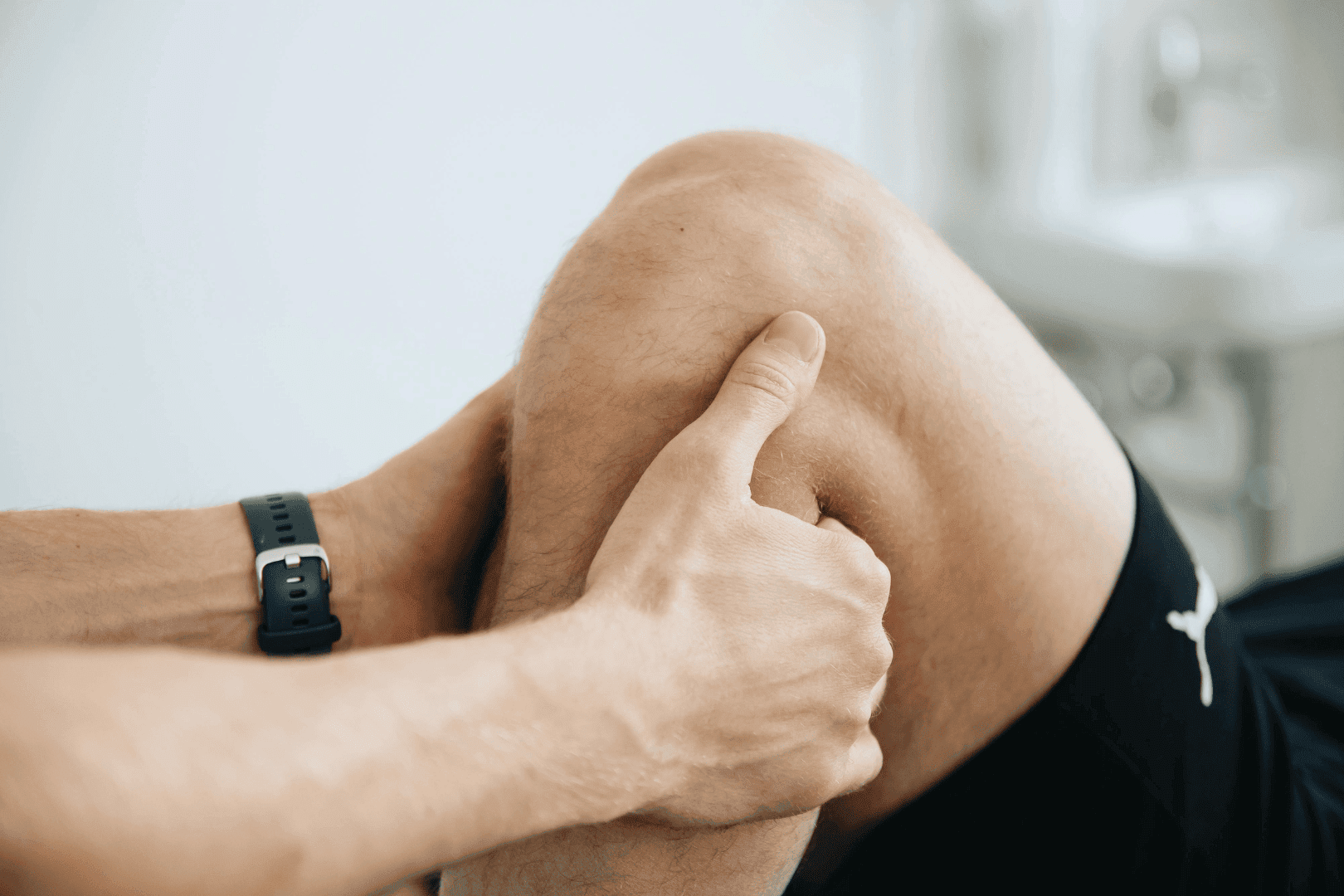
Surgery is only considered after non-surgical care has been fully explored.
Arthroscopic “Clean-Outs”: Not recommended. Studies show this procedure is no more effective than placebo for arthritis pain (AAOS Moderate recommendation).
Partial Meniscectomy: May be appropriate for certain patients with both arthritis and a meniscus tear causing mechanical locking that hasn’t improved with therapy.
Tibial Osteotomy: For select younger patients with arthritis isolated to one part of the knee, this realigns the leg to shift weight away from the damaged area.
Partial Knee Replacement & Total Knee Replacement:
These surgeries are usually considered when:
You’ve tried appropriate non-surgical treatments—such as exercise, weight management, medications, and injections—and they no longer provide adequate relief.
Knee pain and stiffness significantly interfere with your daily life (walking, standing, climbing stairs, work duties, sleep, or hobbies).
You feel that your knee symptoms are limiting the activities you want or need to do, despite your best efforts with conservative care.
In other words, we usually talk seriously about partial or total knee replacement when:
Conservative treatments aren’t working well enough, and
Your pain and loss of function are affecting your quality of life.
At that point, surgery may be a reasonable and effective option to reduce pain, improve function, and help you return to the activities that matter most to you.
Key takeaway: Surgery is a valuable option when appropriate—but not the first step. We only consider it after you’ve worked with your doctor on lifestyle changes, exercise, medications, and injections, and your symptoms are still holding you back from living the life you want.
9. Lifelong Joint Health
The most powerful tools for protecting your knees long-term are simple but consistent:
🏋️ Keep moving: A lifelong exercise habit maintains strength and stability.
⚖️ Stay at a healthy weight: Reduces joint load and inflammation.
🧘 Be proactive: Early, consistent care prevents setbacks and supports independence.
10. Summary: Key Takeaways
✅ Movement is medicine. Exercise strengthens and protects your joints.
✅ Weight matters. Even small changes make a big difference.
✅ Start simple. Education, exercise, and topical creams before pills or shots.
✅ Avoid opioids and unproven supplements. They don’t rebuild cartilage.
✅ You’re in control. Managing arthritis is a partnership between you and your care team.
11. Frequently Asked Questions
Will glucosamine or chondroitin rebuild my cartilage?
No. They may provide temporary pain relief for some, but studies show no proof they slow or reverse damage.
Is exercise safe if my knee hurts?
Yes. The right exercises actually reduce pain over time by strengthening the muscles that protect your knee. Always consult your doctor or a physical therapist for guidance.
What’s the best type of exercise for knee arthritis?
A 2024 BMJ review found aerobic exercise—such as walking, cycling, or swimming—to be the most effective for reducing pain and improving function.
12. Myth vs. Fact
Fact
“A knee clean-out will fix my arthritis.”
“Clean-out” arthroscopy is not recommended. Studies show it works no better than placebo for arthritis pain.”
“Knee pain is just part of aging.”
“While osteoarthritis is common with age, pain and disability are not inevitable. Proper management can help you stay active and comfortable.”
“I should rest my knee as much as possible.”
“Rest helps during flare-ups, but too much inactivity weakens muscles. Regular movement keeps your knees stable and strong.”
Sources
Moseng T, Vliet Vlieland TPM, Battista S, et al. EULAR recommendations for the non-pharmacological core management of hip and knee osteoarthritis: 2023 update. Ann Rheum Dis. 2024;83:730–740.
American Academy of Orthopaedic Surgeons. Management of Osteoarthritis of the Knee (Non-Arthroplasty), 3rd Ed. Aug 31, 2021.
AAOS. Glucosamine and Chondroitin Sulfate. OrthoInfo.
AAOS. Knee Conditioning Program. OrthoInfo, reviewed Oct 2018.
Yan L, Li D, Xing D, et al. Comparative efficacy of exercise modalities in knee osteoarthritis. BMJ. 2024;391:e085242.
Shtroblia V, Petakh P, Kamyshna I, Halabitska I, Kamyshnyi O. Recent advances in the management of knee osteoarthritis. Front Med. 2024;12:1523027.
Disclaimer
This information is for educational purposes only and should not replace medical advice.
Always consult your orthopedic specialist for personalized care.