Conditions Treated
Below you’ll find a list of the most common conditions I treat, along with patient resources designed to help you understand your options and make confident, informed decisions about your care. These materials are for general education and should not replace a personal consultation with your orthopedic provider.
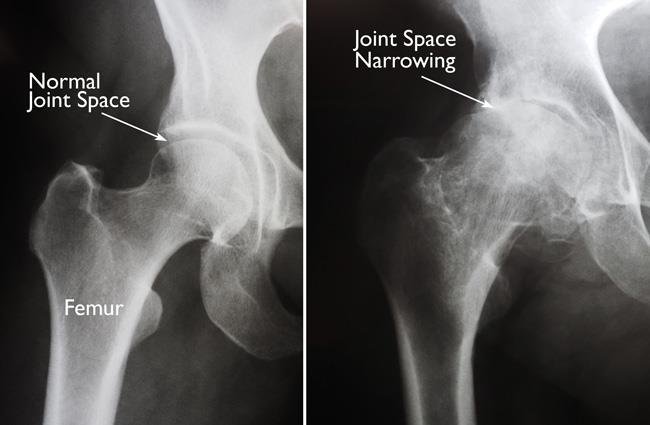
Hip Arthritis (Total Hip Replacement)
Hip arthritis can cause severe pain, stiffness, and loss of mobility. When non-surgical treatments no longer provide relief, total hip replacement replaces the damaged joint surfaces with smooth, durable implants that restore motion, relieve pain, and help you get back to an active life.
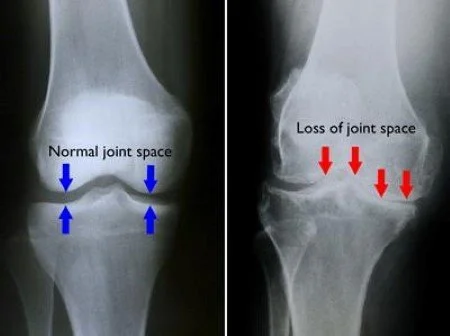
Knee Arthritis (Total Knee Replacement)
Arthritis in the knee can make everyday activities—like walking or climbing stairs—painful and difficult. A total knee replacement resurfaces the worn-out parts of the joint with metal and plastic components designed to move smoothly and reduce pain while improving strength and stability.
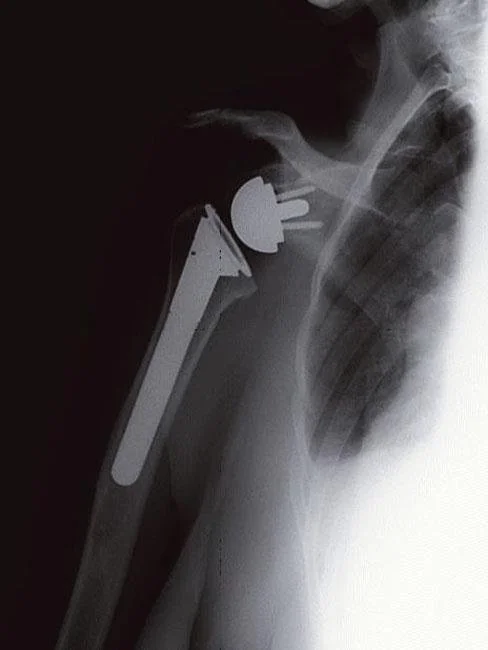
Shoulder Arthritis or Rotator cuff arthropathy (Reverse Shoulder Replacement)
When the shoulder joint is damaged by arthritis or a severe rotator cuff tear, a reverse shoulder replacement can restore function by changing the joint’s mechanics so the deltoid muscle can lift the arm again—reducing pain and improving strength and motion.
Fracture Care
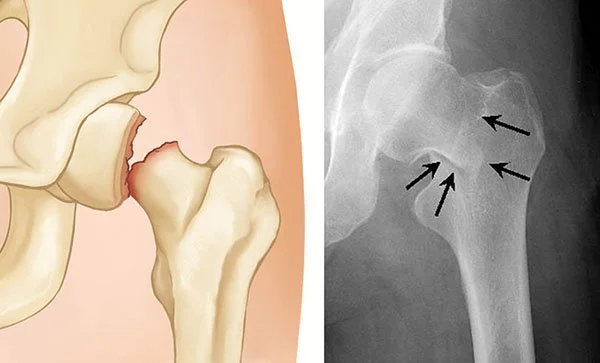
Hip Fracture (Fixation or Arthroplasty)
Hip fractures often require surgical repair to restore mobility and independence. Depending on the fracture type and patient needs, the bone may be fixed with screws and plates or replaced entirely with a hip replacement to allow safe, early movement and recovery.
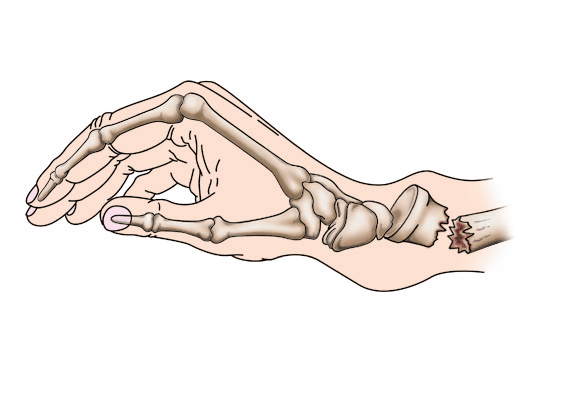
Wrist Fracture (Distal Radius Open Reduction Internal Fixation)
A wrist fracture can cause pain, deformity, and loss of function. Open reduction and internal fixation (ORIF) realigns the bone and stabilizes it with a small plate and screws, promoting strong healing and early return of hand and wrist motion.
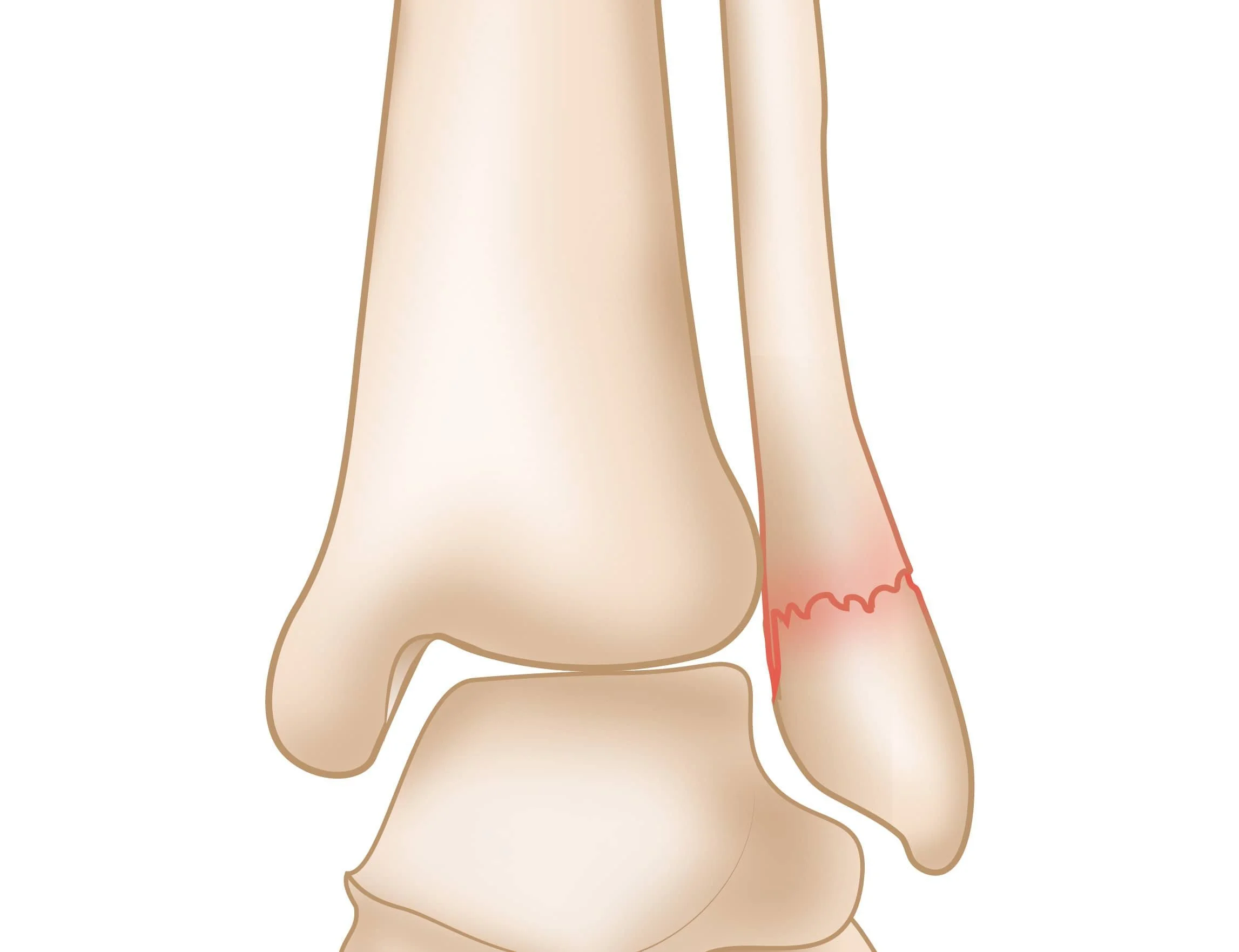
Ankle Fracture (Open Reduction Internal Fixation)
An ankle fracture can destabilize the joint and make walking painful or unsafe. Surgical fixation (ORIF) repositions and secures the broken bones with hardware to restore proper alignment, prevent arthritis, and allow a stable return to activity.
Nerve Compression & Release Procedures
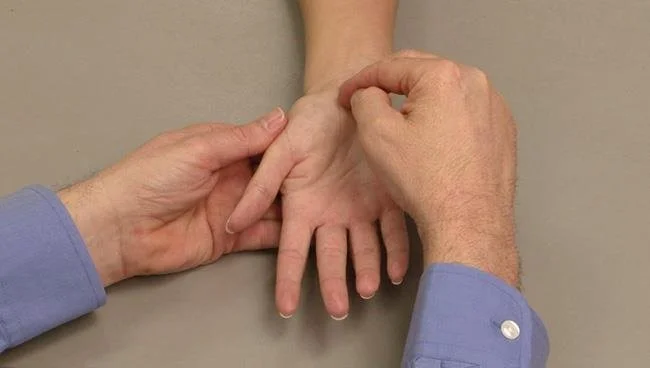
Carpal Tunnel Syndrome (carpal tunnel release)
This surgery relieves pressure on the median nerve at the wrist to reduce numbness, tingling, and hand weakness—helping you regain comfort and control.
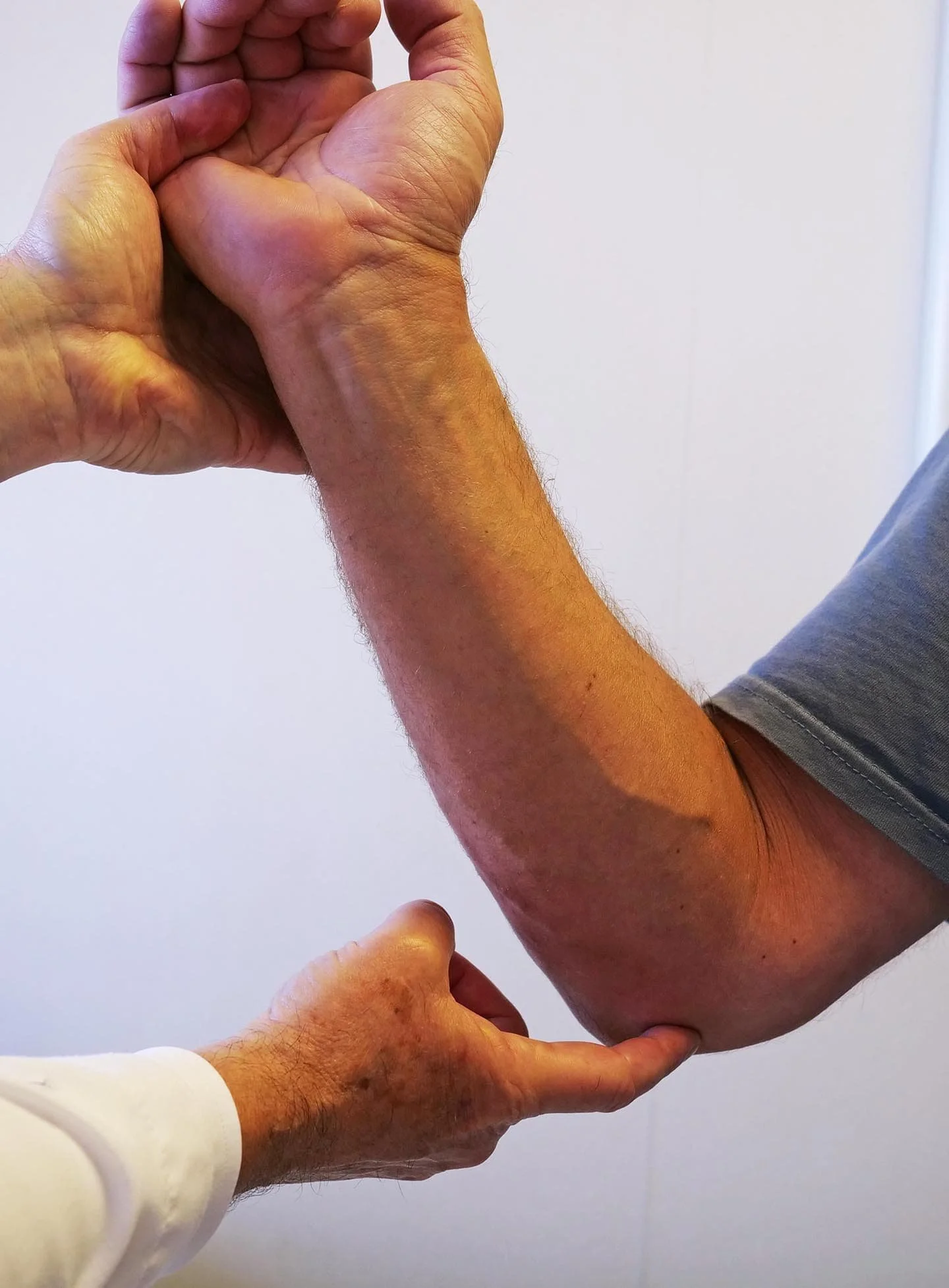
Cubital Tunnel Syndrome (Cubital Tunnel Release)
Performed to relieve pressure on the ulnar nerve at the elbow, this procedure aims to restore normal sensation and strength in the hand and fingers.
Tendon and Soft Tissue Procedures
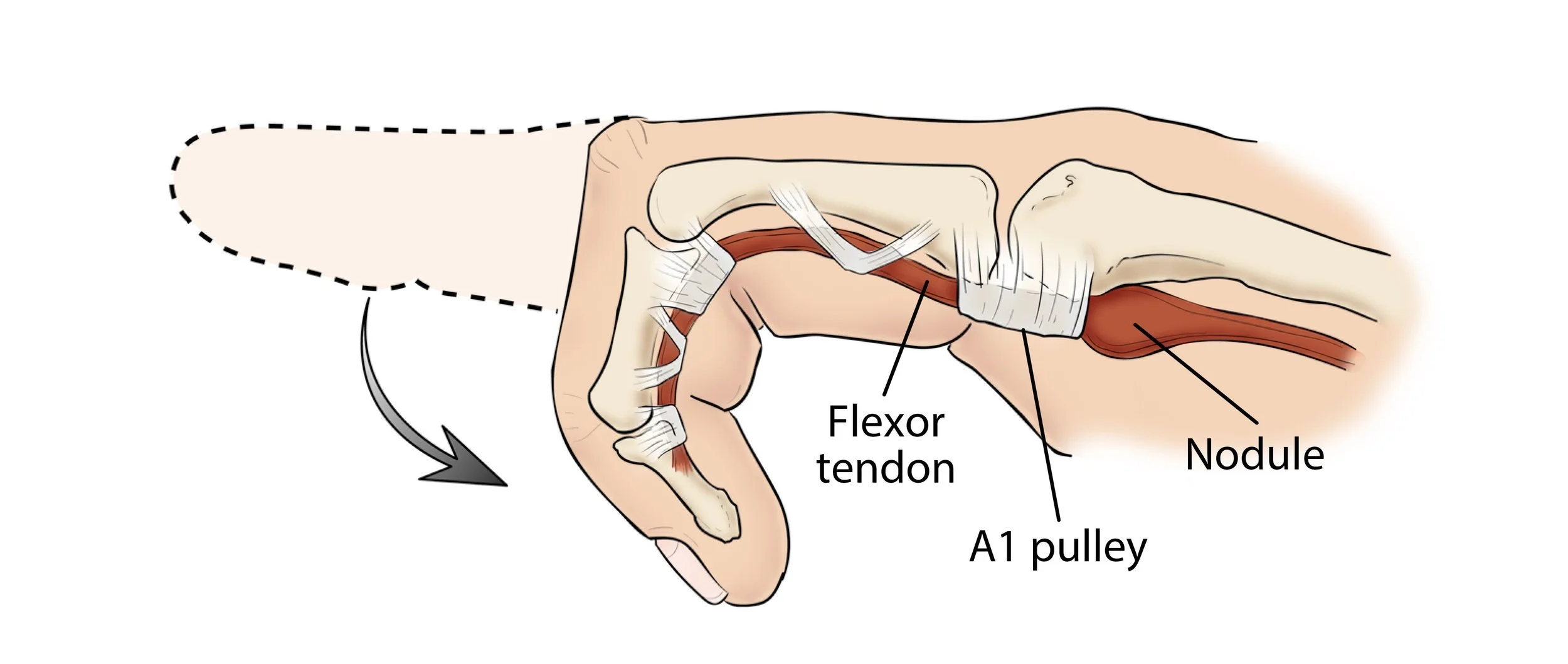
Trigger Finger Release
A small incision is used to release the tight tissue that traps the tendon, allowing the finger to move freely again without locking or pain.
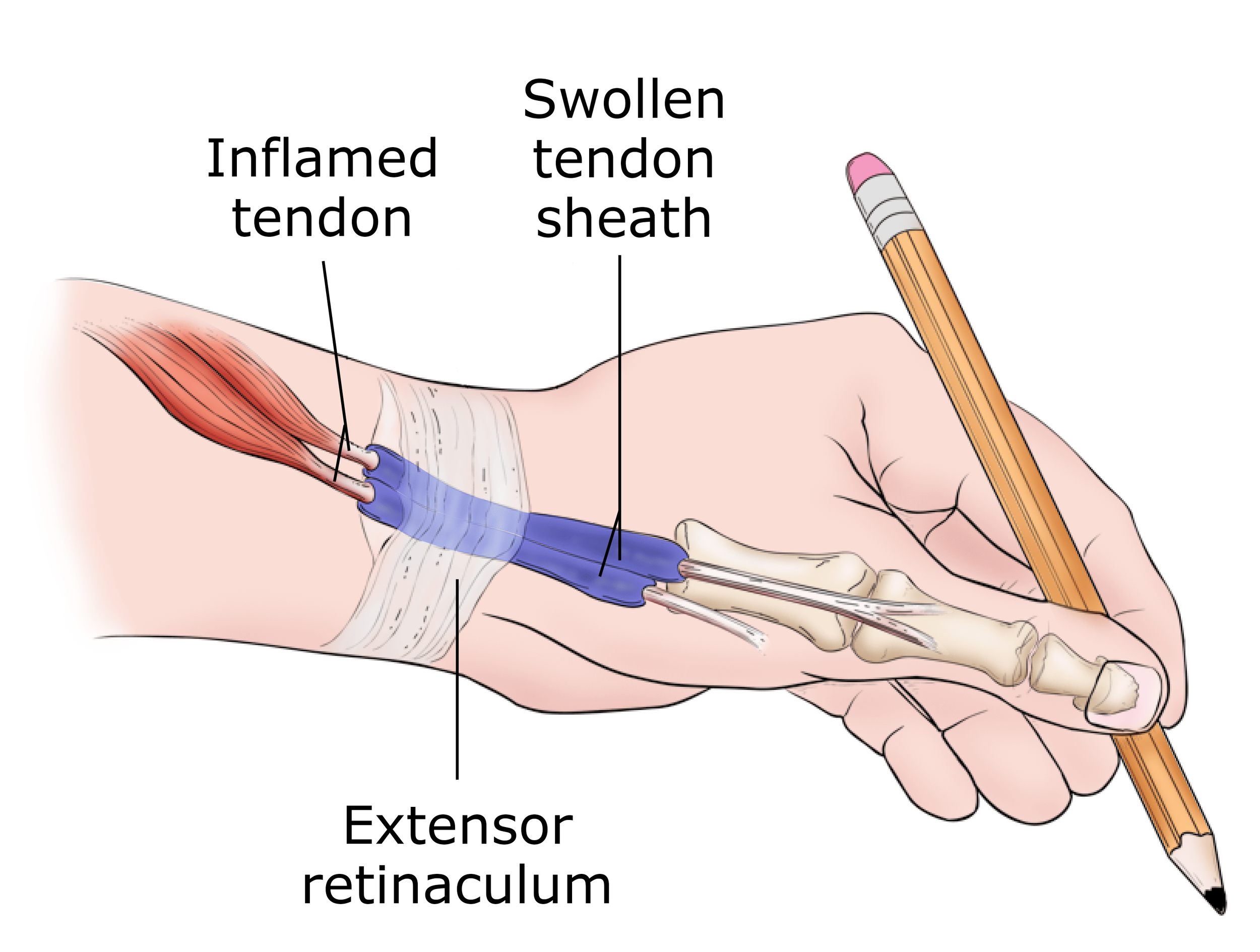
De Quervain’s Release
This outpatient procedure relieves painful tendon inflammation near the thumb by gently freeing the tendons from the sheath that restricts their movement.