Finding Relief Without Surgery: A Guide to Managing Hip Osteoarthritis
Overview
Hip arthritis can limit movement, disrupt sleep, and impact daily life—but many people find meaningful relief without surgery.
This guide outlines the most reliable, evidence-supported strategies to reduce pain, improve mobility, and help you stay active.
1. Understanding Hip Osteoarthritis: What’s Happening in Your Joint
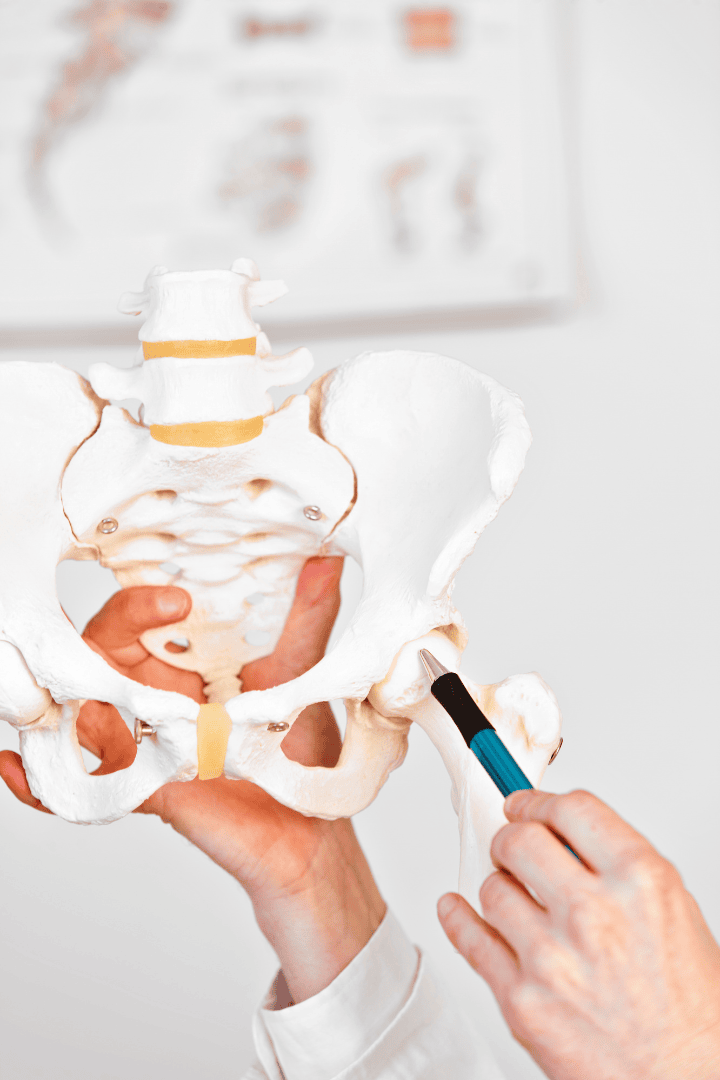
Knowledge empowers you. Understanding how your hip joint works—and what changes occur with osteoarthritis—helps you make informed decisions and feel more in control of your symptoms.
Your Hip Joint: A Ball-and-Socket Designed for Smooth Movement
Ball: The femoral head (top of your thigh bone)
Socket: The acetabulum (part of your pelvis)
Cartilage: A smooth, slippery surface that cushions the joint and allows comfortable movement
What “Wear and Tear” Really Means
Osteoarthritis develops gradually over time as cartilage thins and becomes rougher. When this happens:
The bones may rub more directly
The joint becomes less smooth
Your body may form bone spurs (osteophytes), contributing to stiffness and pain
These changes can lead to the symptoms many patients experience daily.
2. Common Causes and Symptoms: How Hip Osteoarthritis Shows Up
Risk Factors
You may be more likely to develop hip osteoarthritis if you have:
Age over 50
Family history of arthritis
Previous hip injury or trauma
Extra body weight, which increases joint load
Typical Symptoms
Groin or thigh pain (sometimes radiating to the buttock or knee)
Stiffness after sitting or resting
Clicking or grinding sensations (crepitus)
Difficulty bending, tying shoes, or walking comfortably
Recognizing these signs early helps guide effective treatment.
3. Core Strategies for Managing Hip Osteoarthritis
These treatments are strongly supported by major medical organizations including AAOS, ACR, and NICE. They form the foundation of nearly every non-surgical arthritis care plan.
Movement Is Medicine 💪

Regular movement is one of the most effective, evidence-supported ways to reduce hip arthritis symptoms.
Benefits include:
Strengthening the muscles around the hip
Improving flexibility and balance
Supporting joint health
Reducing pain over time
Best low-impact options:
Walking
Swimming or water aerobics
Cycling
Gentle strengthening and mobility exercises
A physical therapist can design a personalized plan based on your symptoms, goals, and physical condition.
Lighten the Load ⚖️
Weight management can meaningfully reduce joint stress.
Biomechanical studies suggest that every 10 pounds of weight loss may reduce 30–40 pounds of load on the hip during walking.
Losing 5–10% of body weight may help improve pain and function.
Even modest changes can make a noticeable difference in comfort and mobility.
Education & Self-Management
Structured self-management programs help you:
Build practical skills for daily symptom control
Set realistic goals
Maintain consistent movement and healthy habits
Stay mentally engaged and optimistic throughout the process
Being informed and confident is a major part of successful long-term management.
4. Additional Non-Surgical Options
These treatments may complement your foundation of exercise, lifestyle changes, and self-care. Many are conditionally recommended and should be chosen through shared decision-making with your orthopedic specialist.

Medications for Pain & Inflammation
NSAIDs (e.g., ibuprofen, naproxen)
Help reduce both pain and inflammation
Work best when used at the lowest effective dose for the shortest safe duration
Some individuals may need stomach protection (e.g., a proton pump inhibitor) depending on health history
Acetaminophen (Tylenol)
Generally offers mild pain relief
May be an option for those who cannot use NSAIDs
Topical NSAIDs
Highly effective for knee osteoarthritis
Less effective for the hip because the joint sits deeper under the skin
Injections for Short-Term Relief
Corticosteroid injections may provide temporary improvement—typically 2–10 weeks, depending on the individual.
They may help:
Reduce inflammation
Calm a painful flare
Allow you to stay active in physical therapy
These injections are generally used occasionally, not repeatedly or long-term.
Supportive Therapies
These can be helpful adjuncts:
Cane use: Hold the cane in the opposite hand to decrease hip load
Tai Chi or gentle movement: Improves balance, posture, and relaxation
Heat or ice: May offer short-term relief for stiffness or soreness
5. Treatments to Approach with Caution 🚫
To ensure safety and avoid unnecessary cost, Dr. Wilson recommends avoiding therapies that lack strong evidence.
Injections Not Recommended
Hyaluronic acid (“gel shots”)
Strong evidence shows they do not provide meaningful benefit for hip osteoarthritis.
Supplements with Limited Evidence
Glucosamine and chondroitin
Large, high-quality studies show no consistent benefit for hip osteoarthritis.
Opioid Medications
Not recommended for chronic arthritis pain due to:
Risk of dependence
Higher side-effect profile
Limited long-term effectiveness
6. When to Talk About Surgery 🦴
Most patients do not need surgery right away.
Surgery—such as total hip replacement—is typically considered only when:
Pain or stiffness severely interferes with daily activities
You have tried appropriate non-surgical treatments without improvement
Your quality of life continues to decline
The decision is individualized and made collaboratively between you and your orthopedic surgeon.
7. Your Action Plan for Living Well with Hip Osteoarthritis

✅ Start (or continue) a safe movement routine
Walking, cycling, swimming, or working with a physical therapist.
✅ Manage your weight when appropriate
Even modest changes may reduce pain and improve function.
✅ Use medications thoughtfully
NSAIDs can be effective but should be reviewed with your doctor.
✅ Consider supportive strategies
Cane use, balance exercises, heat/ice, and gentle movement.
8. Frequently Asked Questions
“Will exercise make my hip wear out faster?”
No. Low-impact exercise generally helps protect the joint by strengthening the supporting muscles.
“Are cortisone injections safe?”
They are generally safe when used occasionally and after discussing risks and benefits with your specialist.
“What’s the best thing I can start today?”
A gentle, low-impact exercise routine is one of the most proven ways to help reduce symptoms.
Sources
American Academy of Orthopaedic Surgeons (AAOS). Management of Osteoarthritis of the Hip Clinical Practice Guideline, 2023.
American College of Rheumatology (ACR) / Arthritis Foundation. 2019 Guideline for Osteoarthritis of the Hand, Hip, and Knee.
National Institute for Health and Care Excellence (NICE). Osteoarthritis in over 16s: Diagnosis and Management (NG226), 2022.
AAOS OrthoInfo Patient Education Materials, 2025.
Medical Disclaimer
This guide is for educational purposes only and is not intended to diagnose, treat, or provide individualized medical advice.
Treatment decisions depend on your personal medical history and should be discussed with a qualified orthopedic specialist.
If you have questions or concerns about hip pain, please contact Wilson Ortho Health to schedule a personalized evaluation.