Patient’s Guide to Hip and Knee Replacement Surgery
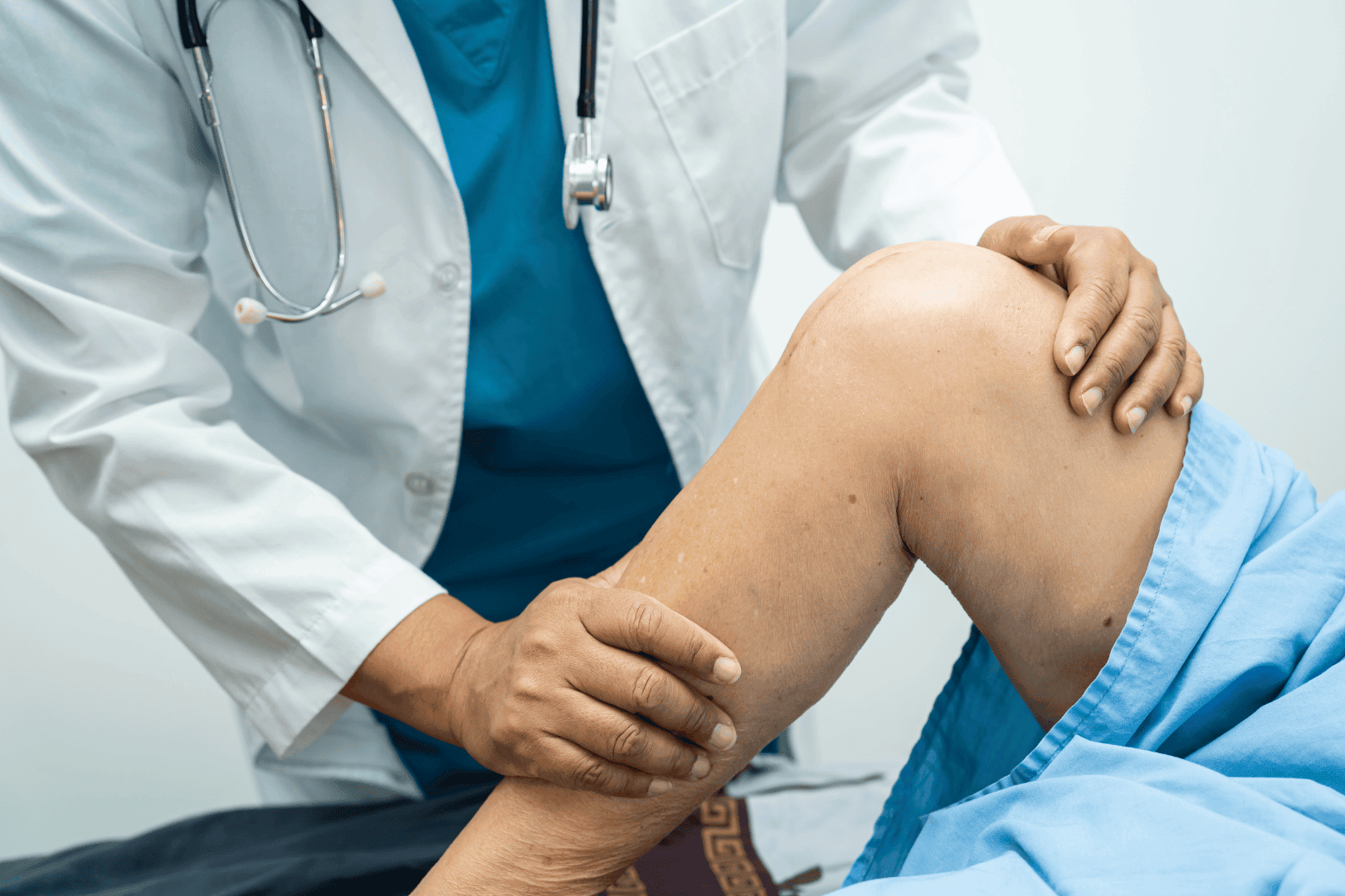
Overview
This guide walks you step-by-step from your first visit through surgery and recovery.
It includes clear checklists, timelines, and evidence-based tips to help you prepare, heal, and return to the activities you love.
(This information is educational and not a substitute for personalized medical advice.)
1. Understanding Your Joint Pain
Living with severe joint pain can be exhausting. When walking the grocery aisles, playing with grandkids, or even sleeping becomes difficult, it’s easy to feel discouraged.
You’re not alone—and there’s a clear path forward.
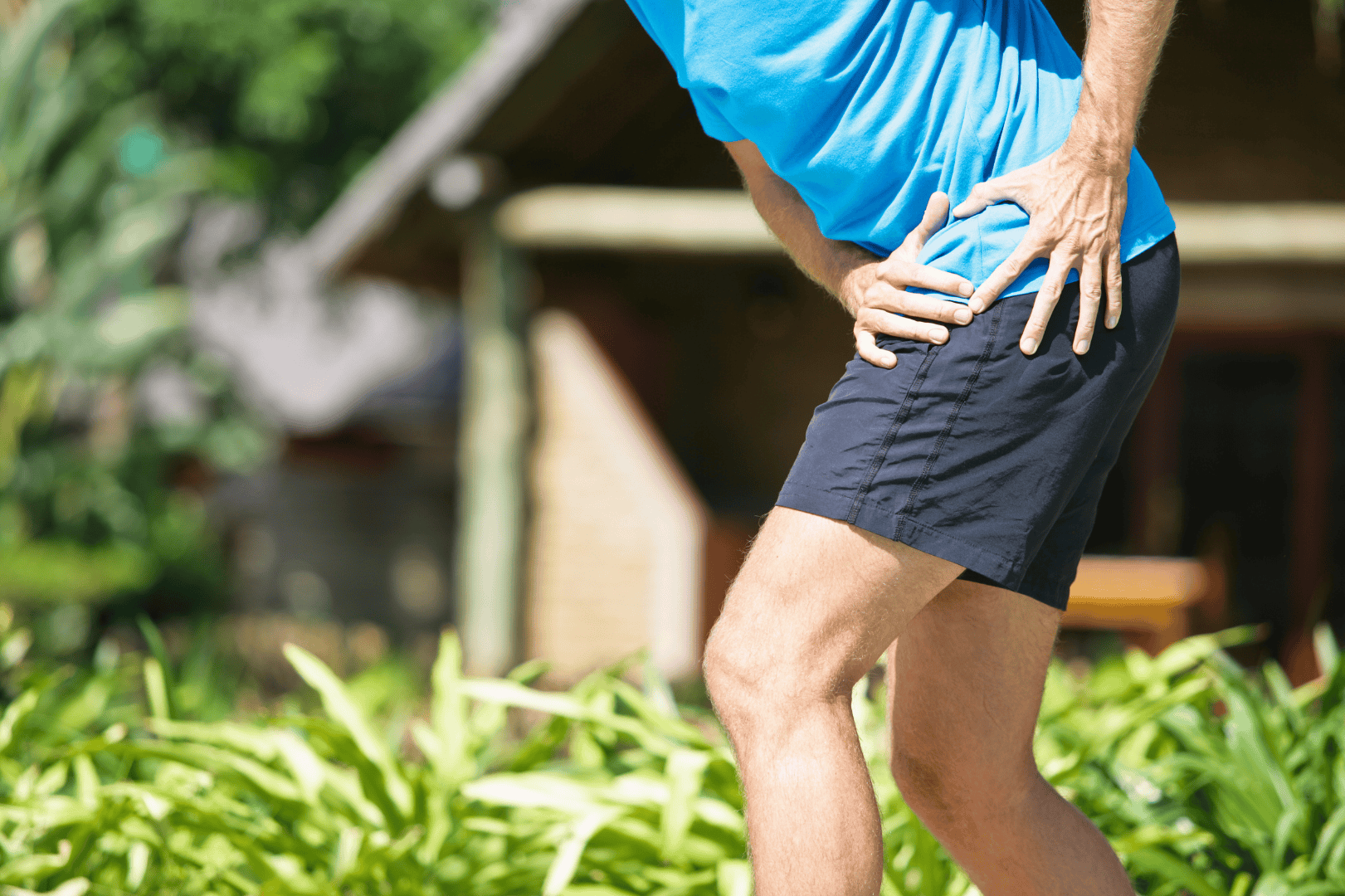
Common Reasons Joints Break Down
Osteoarthritis (OA): The “wear-and-tear” form of arthritis. As the smooth cartilage wears away, bones rub together, causing pain, stiffness, and swelling.
Rheumatoid Arthritis (RA): The immune system attacks joint tissue, damaging cartilage and bone.
Post-Traumatic Arthritis: Arthritis that develops years after a fracture or major ligament injury.
Osteonecrosis: Loss of blood supply to bone, which can cause bone collapse.
Pain can also come from nearby structures like the back, nerves, tendons, or bursae.
Your evaluation helps rule out these other causes.
Imaging
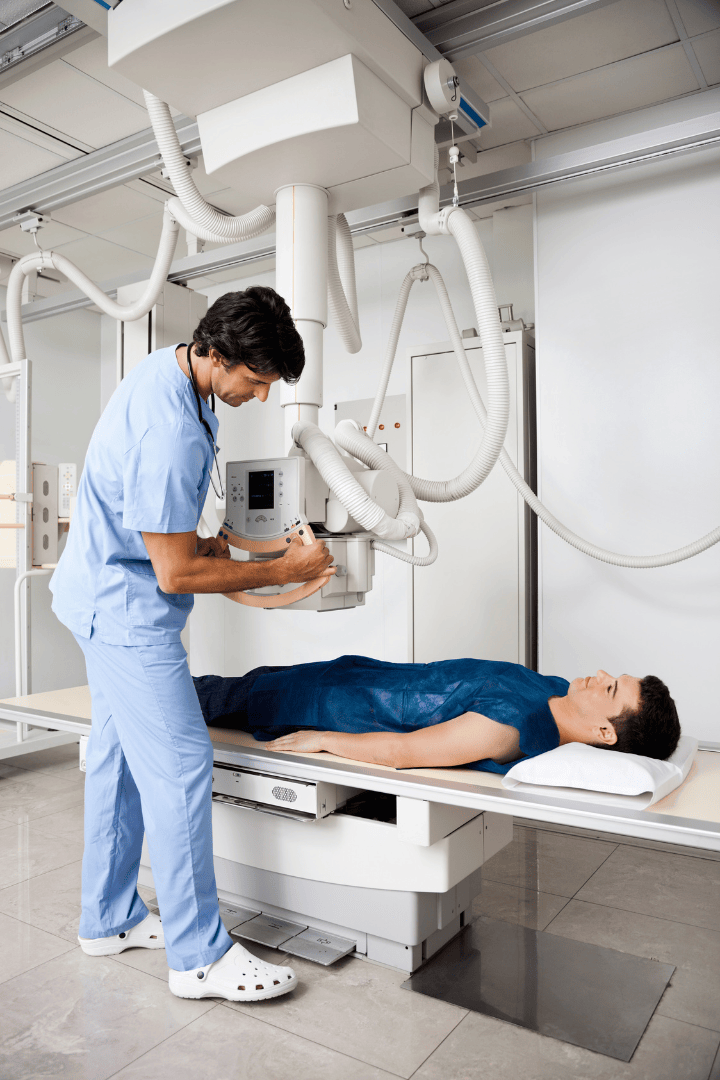
Most of the time, X-rays are all that’s needed to diagnose hip or knee osteoarthritis.
MRIs are rarely necessary for typical arthritis.
When to Consider Surgery
Joint replacement may be appropriate when non-surgical treatments no longer provide relief and one or more of these apply:
Moderate or severe pain at rest (day or night)
Persistent swelling not relieved by rest or medication
Noticeable deformity (bow-leg or knock-knee)
Difficulty with walking, stairs, or rising from a chair
Symptoms that persist despite medication, therapy, and injections
2. Your Evaluation & Non-Surgical Options
Your first visit includes a thorough review of your symptoms, a physical exam (motion, strength, alignment), and X-rays.
Evidence-Based Non-Surgical Care
Medications: Acetaminophen and oral or topical NSAIDs (topicals often work well for knee osteoarthritis with fewer side effects). In select patients, duloxetine may help reduce chronic knee pain.
Injections: Corticosteroid injections can relieve pain short-term. Hyaluronic acid (“gel”) injections may help some patients but don’t stop arthritis progression.
Note: PRP or stem-cell injections are not routinely recommended by AAOS at this time.Physical Therapy: Strengthens muscles, improves motion, and enhances balance.
Weight Management & Activity: Even a 5–10% weight loss can significantly reduce knee stress and pain. Combine low-impact cardio (bike, swim, elliptical) with strength training.
Bracing & Footwear: Unloader braces can help certain knee arthritis patterns. Supportive shoes or orthotics may improve comfort and alignment.
Education & Pacing: Avoid the “boom-and-bust” cycle. Spread activity evenly throughout the day.
When pain and limitations persist despite these options, joint replacement becomes a reasonable next step.
3. Preparing for Success (Pre-Op Optimization)
Think of the weeks before surgery as your training period.
Following an Enhanced Recovery After Surgery (ERAS) plan—focused on nutrition, pain control, early mobility, and hydration—reduces complications and speeds recovery.
Pre-Surgery Targets
Target
Why It Matters
Nutrition
Albumin ≥ 3.5 g/dL
Vitamin D > 30 ng/mLSupports healing
Protein
0.8–1.0 g per lb of goal body weight (or 1.6–2.2 g/kg)
Builds muscle & tissue repair
Anemia
Hemoglobin >12 g/dL (women), >13 g/dL (men)
Improves oxygen delivery
Diabetes
A1c <7.5%
Lowers infection risk
Nicotine
Stop all nicotine ≥4 weeks before & after surgery
Improves blood flow & healing
Weight
BMI >40 increases anesthesia & wound risks
Even modest weight loss lowers risk
Dental Health
Treat infections before surgery
Prevents bloodstream bacteria
Medication Review
Hold blood thinners & NSAIDs 5–7 days pre-op (confirm plan)
Reduces bleeding risk
Opioid Use
Taper/stop ≥30 days before surgery
Improves post-op pain control
Skin & Infection Prevention
Take CHG antiseptic showers or wipes the night before and morning of surgery.
If nasal screening is positive for staph (MRSA/MSSA), use mupirocin and CHG as directed.
Stop supplements that affect bleeding (fish oil, garlic, ginkgo, ginseng, St. John’s wort) 7–10 days before surgery.
Home Preparation
🏡 Set up for safety:
Clear walkways, remove loose rugs, and add nightlights.
Install grab bars, non-slip mats, and consider a shower chair or raised toilet seat.
👥 Plan your support:
Arrange help from a “Joint Coach” for the first 1–2 weeks.
🥗 Stock up:
Keep high-protein groceries ready and prepare a “constipation kit” (stool softener, fiber, water).
4. Surgery Day & Hospital Recovery
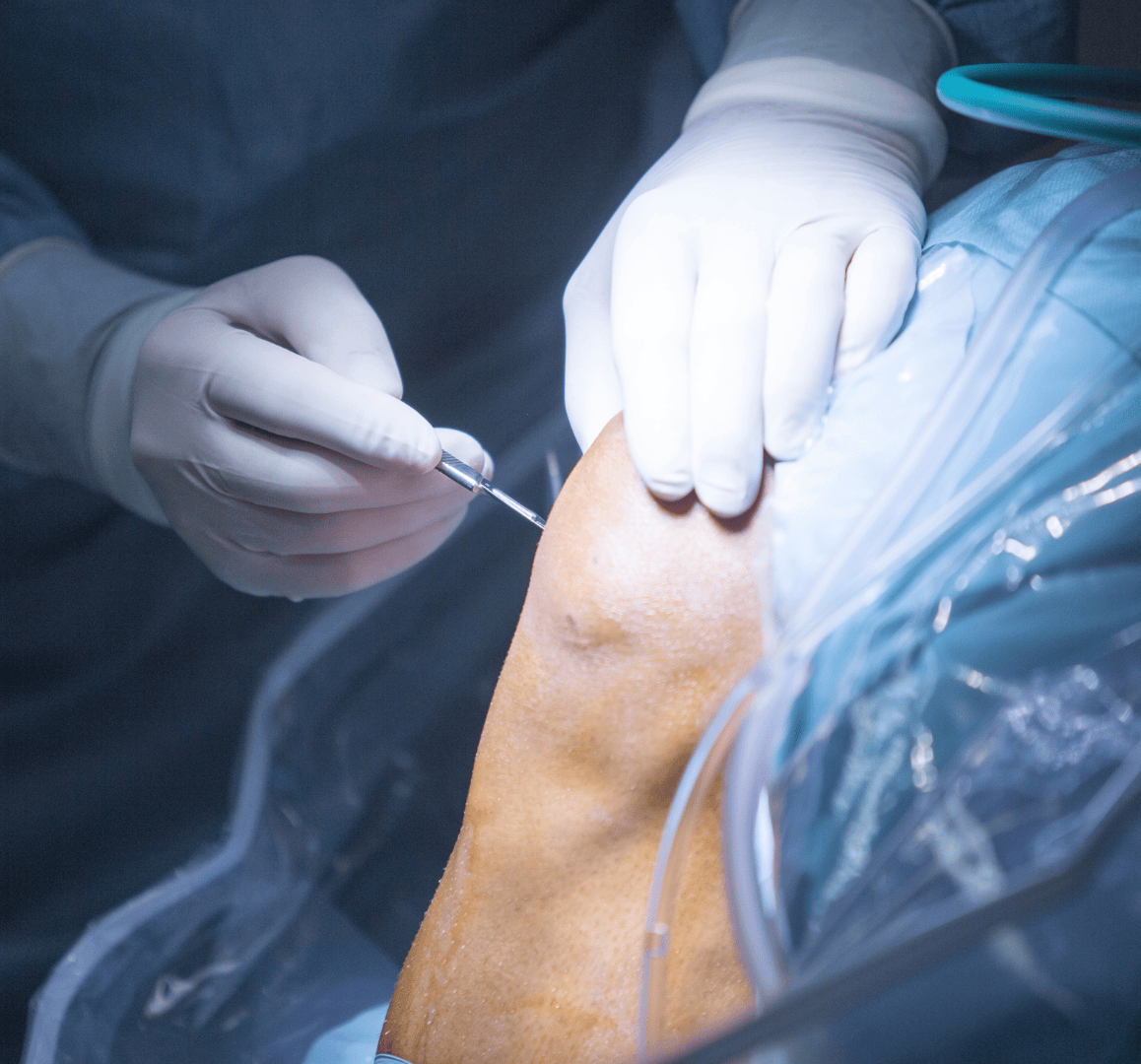
What Happens During Surgery
Damaged cartilage and a small amount of bone are removed.
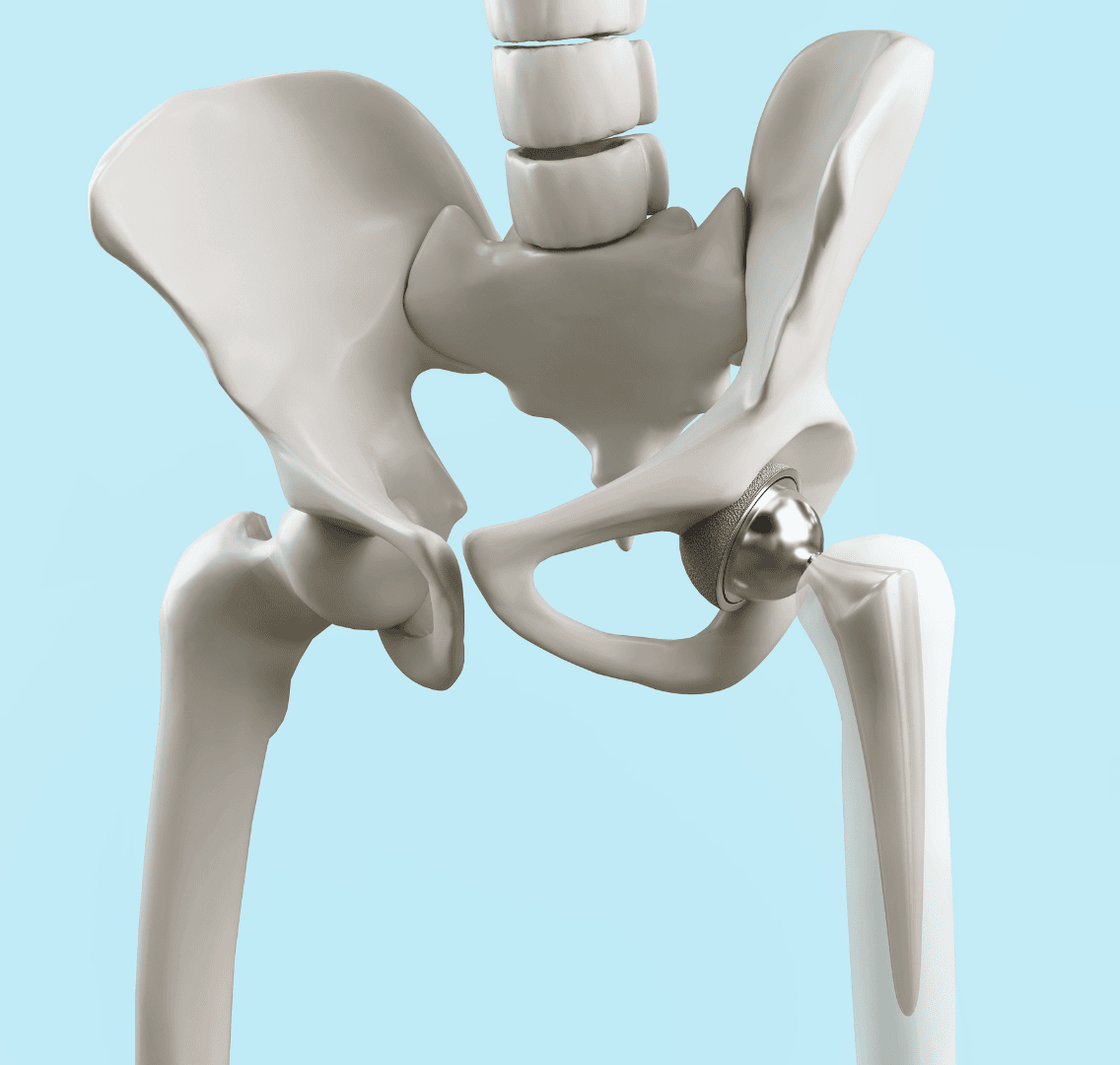
Smooth, durable implants—made of metal and advanced plastic—resurface the joint to restore motion and relieve pain.
Pain Management Plan
Regional anesthesia (spinal or nerve block) to reduce pain during and after surgery
Long-acting local anesthetic around the joint
Scheduled acetaminophen and anti-inflammatory (if safe)
Opioids only as needed for severe pain
Expect the most discomfort in days 1–3, followed by steady improvement.
Always call for assistance when first standing, as nerve blocks may temporarily weaken the leg.
Other Routine Measures
Nausea prevention medication if needed
Tranexamic acid (TXA) to minimize bleeding
Early mobility: most patients walk with physical therapy the same day
Preventing Complications
Blood clots: Do ankle pumps, walk early, and take your prescribed blood thinner. Many low-risk patients use aspirin for 4–6 weeks; others may need different medication.
Lung health: Use your incentive spirometer regularly.
You’ll go home once:
Vitals are stable
Pain is controlled with oral medication
You’re eating, drinking, and urinating normally
Physical therapy confirms safe mobility
5. Recovery at Home (First 6 Weeks)

Managing Swelling
Protection, Rest, Ice, Compression, Elevation — several times daily.
Ice 20–30 minutes, 4–6×/day
Elevate the leg above heart level whenever resting
Move Smart
Walk short distances several times each day.
Use your body’s response as a guide:
✅ If pain ≤3/10 and swelling decreases overnight → stay the course.
⚠️ If pain >5/10 or swelling worsens → cut back activity 25–50%, rest, and ice more.
Your therapist will help you progress from walker → cane → no device when your gait is steady.
Key Exercises
Ankle pumps (circulation)
Quadriceps sets and straight-leg raises
Knee replacement: Focus on regaining full straightening early; avoid pillows under the knee.
Hip replacement: No strict precautions in this program; avoid extreme positions early and follow therapist cues.
Daily Living
Showering: Keep incision clean and dry; avoid soaking until healed.
Sleep: A pillow between knees may help comfort.
Driving: Usually safe when off opioids and able to stop suddenly—typically 2–6 weeks depending on the side and procedure.
Work: Desk work ~2–4 weeks; manual labor ~8–12+ weeks.
When to Call
Call our office if: fever ≥100.4°F, redness spreading, increasing drainage, calf pain/swelling not improving.
Call 911 if: chest pain, sudden shortness of breath, or fainting.
6. Frequently Asked Questions
How long will my joint last?
Most modern hip and knee replacements last 15–20+ years, with many lasting longer. Lifestyle and weight play a role.
Do I need antibiotics for dental work?
Usually no. For most patients, antibiotics are not required before dental cleanings after joint replacement. We use shared decision-making for special cases (e.g., prior joint infection, severe immune compromise).
Will I set off airport metal detectors?
Possibly. Just let security know you have a joint implant—no ID card is needed.
When can I resume sexual activity?
When you feel comfortable and safe with your motion and strength. Early on, avoid extreme hip positions.
Can I travel after surgery?
Avoid long trips for the first 4–6 weeks. When you do travel, walk periodically, stay hydrated, wear compression stockings, and continue your prescribed blood thinner.
Is swelling normal?
Yes. It often peaks between days 2–5 and gradually improves over several weeks.
What about after-hours concerns?
If you’re worried, call us. For chest pain or shortness of breath, call 911 immediately.
7. Five Keys to Success
💪 You’re the team captain. Your preparation drives your results.
✅ Preparation wins. Complete your checklist—nicotine stop, dental visit, labs.
🧘 Respect healing. Gentle, consistent progress beats overdoing it.
⚠️ Know warning signs. Call early if something feels wrong.
🥗 Fuel & move. Prioritize protein (0.8–1.0 g/lb goal weight), hydration, and daily activity.
Checklists & Quick Guides
A) Pre-Op Checklist
Joint Coach arranged for 1–2 weeks of help
Labs: albumin ≥3.5; Hb A1c <7.5%; Hgb >12/13
Nicotine stopped ≥4 weeks before (and after) surgery
Dental checkup completed; no infections
Medication plan written and reviewed
Supplements affecting bleeding stopped 7–10 days before
CHG showers/wipes done night before + morning of surgery
Nasal decolonization completed (if indicated)
Home setup safe and stocked with protein foods and hydration
Constipation plan ready (stool softener, fiber, fluids)
B) Week-1 Daily Recovery Plan (Post on Fridge)
Walk little & often throughout the day
Ice 20–30 min, 4–6×/day
Do your PT exercises
Use incentive spirometer
Take all meds as directed
Hit your protein and hydration goals
Rest between activity blocks
Call if: fever ≥100.4°F, redness/drainage, calf swelling
Call 911 if: chest pain or shortness of breath
C) Medication Plan (Fill-In With Your Team)
Category
Pain
Anti-Inflammatory (if safe)
Opioid (if needed)
Nausea
Blood Thinner
Constipation Prevention
Resume Meds On:
Example
Acetaminophen ____ mg every ____ hrs (max ____ mg/day)
________ ____ mg every ____ hrs
________ ____ mg every ____ hrs PRN severe pain
___________________
___________________ for ____ weeks
Stool softener _______ daily; Fiber _______; Fluids ____ oz/day
___________________
D) What’s Normal vs. When to Call
✅ Normal: Bruising, warmth, stiffness, swelling that improves overnight, mild sleep trouble.
⚠️ Call the office: Fever ≥100.4°F after day 3, redness, drainage, calf pain/swelling.
🚨 Call 911: Chest pain, shortness of breath, or fainting.
E) Recovery Timeline (Typical)
Timeframe
0–2 weeks
2–6 weeks
6–12 weeks
3–12 months
Focus
Protect, reduce swelling, short walks, basic exercises
Restore motion, progress to cane or no device
Build strength, balance, stamina
Continue endurance, confidence, performance gains

About Dr. Wilson
Dr. Craig Wilson is an orthopedic surgeon in Galesburg, IL, specializing in joint replacement, fracture care, and motion restoration.
At Wilson Ortho Health, we help you feel better, move better, and live better.